Thursday, 9 July 2009

Chrome Evolution : From browser to Operating system

google-chrome-logo.jpg (300×300)
“Tomorrow never die”. Google is still breathing and become stronger. Thats what people say, and I am quite agree with that. Recently Google has given a sign that they will come out soon with their new Android Operating System, which focusing on the Netbook product.

Google’s goal is to be the opposite of today’s operating systems — especially Windows, which commands 90% of the market. The ubiquitous software has a reputation as virus-prone and complicated. Google says its Google Chrome Operating System will be faster, smoother and lightweight.

An outgrowth of Google’s Chrome Internet browser, the OS is designed “to start up and get you onto the Web in a few seconds,” Google said in its official blog post announcing the product. Google says it can achieve that by building a system from the ground up, one that isn’t constrained by working with a legacy system initially built in the 1980s. Now, all it must to do is execute.

Unlike Windows, Chrome is an open-source project like the Linux operating system that’s popular with techies, which means outside software developers are welcome to work on it. And Google believes developers who have a stake in the project will find a way to bring Chrome to a wide variety of PCs quickly, says a person with direct knowledge of Google’s intentions, who isn’t authorized to speak on behalf of the company.

And the most interesting part is that the price will be free, comparing to Micrsoft which PC companies need to pay US45 for each license.

In a nutshell, We do hope that Google can be part of the open source team-partner and will explore more widely on the enhanced web browsing industry since the other partner, Linux, has shown their glory in the hacking world.

Chrome Evolution : From browser to Operating system

google-chrome-logo.jpg (300×300)
“Tomorrow never die”. Google is still breathing and become stronger. Thats what people say, and I am quite agree with that. Recently Google has given a sign that they will come out soon with their new Android Operating System, which focusing on the Netbook product.

Google’s goal is to be the opposite of today’s operating systems — especially Windows, which commands 90% of the market. The ubiquitous software has a reputation as virus-prone and complicated. Google says its Google Chrome Operating System will be faster, smoother and lightweight.

An outgrowth of Google’s Chrome Internet browser, the OS is designed “to start up and get you onto the Web in a few seconds,” Google said in its official blog post announcing the product. Google says it can achieve that by building a system from the ground up, one that isn’t constrained by working with a legacy system initially built in the 1980s. Now, all it must to do is execute.

Unlike Windows, Chrome is an open-source project like the Linux operating system that’s popular with techies, which means outside software developers are welcome to work on it. And Google believes developers who have a stake in the project will find a way to bring Chrome to a wide variety of PCs quickly, says a person with direct knowledge of Google’s intentions, who isn’t authorized to speak on behalf of the company.

And the most interesting part is that the price will be free, comparing to Micrsoft which PC companies need to pay US45 for each license.

In a nutshell, We do hope that Google can be part of the open source team-partner and will explore more widely on the enhanced web browsing industry since the other partner, Linux, has shown their glory in the hacking world.
Chrome Evolution : From browser to Operating system

google-chrome-logo.jpg (300×300)
“Tomorrow never die”. Google is still breathing and become stronger. Thats what people say, and I am quite agree with that. Recently Google has given a sign that they will come out soon with their new Android Operating System, which focusing on the Netbook product.

Google’s goal is to be the opposite of today’s operating systems — especially Windows, which commands 90% of the market. The ubiquitous software has a reputation as virus-prone and complicated. Google says its Google Chrome Operating System will be faster, smoother and lightweight.

An outgrowth of Google’s Chrome Internet browser, the OS is designed “to start up and get you onto the Web in a few seconds,” Google said in its official blog post announcing the product. Google says it can achieve that by building a system from the ground up, one that isn’t constrained by working with a legacy system initially built in the 1980s. Now, all it must to do is execute.

Unlike Windows, Chrome is an open-source project like the Linux operating system that’s popular with techies, which means outside software developers are welcome to work on it. And Google believes developers who have a stake in the project will find a way to bring Chrome to a wide variety of PCs quickly, says a person with direct knowledge of Google’s intentions, who isn’t authorized to speak on behalf of the company.

And the most interesting part is that the price will be free, comparing to Micrsoft which PC companies need to pay US45 for each license.

In a nutshell, We do hope that Google can be part of the open source team-partner and will explore more widely on the enhanced web browsing industry since the other partner, Linux, has shown their glory in the hacking world.
Monday, 6 July 2009

Wolfram Alpha claim to beat Google

“You simply cannot beat Google. He is a giant, even bigger than giant!”.

Thats what people say when we talk about Google. But not for Wolfram Alpha. Wolfram Alpha is a website that answers queries and questions based on user inputs. The website was developed by Wolfram Research.
It doesn’t simply return documents that (might) contain the answers, like search engines do. It isn’t just a giant database of knowledge, like encyclopedias. It doesn’t simply parse natural language and then use that to retrieve documents, like Powerset. Instead, Wolfram Alpha actually computes the answers to a wide range of questions — like questions that have factual answers. Wolfram Alpha doesn’t simply contain huge amounts of manually entered pairs of questions and answers, nor does it search for answers in a database of facts. Instead, it understands and then computes answers to certain kinds of questions.

How it works?

Users submit queries and computation question by typing them in a text box. Wolfram Alpha then computes the answers and displays visualizations from a large core knowledge base of structured data.
Wolfram Alpha has been bulit upon Wolfram’s earlier product, Mathematica, which uses computer algebra, symbolic and numerical computation, visualization and statistics. This is run in the bacground of the answer engine so it is able to solve all kinds of mathematical questions providing it in a way that is easy to read. The answer engine is also able to answer natural language fact based questions. For example “How many calories in a Mars Bar?” or more complex questions like “How old was Charles Darwin in 1850?”. It solves this using standardised phrases. For example, “How many calories in a Mars Bar?” is rephrased into “Mars almond bar|amount|one bar|total calories” so the answer engine can display the answer at the top of the page it generates.
The current database that Wolfram Alpha includes thousands of datasets, including all Current and Historical Weather. The datasets had been collected over two years, before the answer engine was opened to the public, and now more information is being added to it, providing an ever expanding number of datasets and knowledge database.

In a nutshell

There is no doubting the complexity and commitment of Wolfram Research, however it needs serious upgrades and modernisations to become the ultimate knowledge database.
For example, if you pit it against Google at the present moment then Google will come away victorious, this is because Wolfram Alpha only provides answers to certain questions, whereas Google provides page after page with information on the subject, albeit the information will quite often be repeated over the numerous pages. Another good example of this are encyclopedias, Wolfram Alpha can be compared to Wikipedia because both display and project their information over the internet. Wolfram Alpha finds the answers to specific questions, however Wikipedia can provide the same results as well as show excellent detailed information and description about the same data subject, as well as background information about links to the main data subject.

SO, this tool will NEVER be able to KNOW EVERTHING. However, it will go mighty close.

Wolfram Alpha claim to beat Google

“You simply cannot beat Google. He is a giant, even bigger than giant!”.

Thats what people say when we talk about Google. But not for Wolfram Alpha. Wolfram Alpha is a website that answers queries and questions based on user inputs. The website was developed by Wolfram Research.
It doesn’t simply return documents that (might) contain the answers, like search engines do. It isn’t just a giant database of knowledge, like encyclopedias. It doesn’t simply parse natural language and then use that to retrieve documents, like Powerset. Instead, Wolfram Alpha actually computes the answers to a wide range of questions — like questions that have factual answers. Wolfram Alpha doesn’t simply contain huge amounts of manually entered pairs of questions and answers, nor does it search for answers in a database of facts. Instead, it understands and then computes answers to certain kinds of questions.

How it works?

Users submit queries and computation question by typing them in a text box. Wolfram Alpha then computes the answers and displays visualizations from a large core knowledge base of structured data.
Wolfram Alpha has been bulit upon Wolfram’s earlier product, Mathematica, which uses computer algebra, symbolic and numerical computation, visualization and statistics. This is run in the bacground of the answer engine so it is able to solve all kinds of mathematical questions providing it in a way that is easy to read. The answer engine is also able to answer natural language fact based questions. For example “How many calories in a Mars Bar?” or more complex questions like “How old was Charles Darwin in 1850?”. It solves this using standardised phrases. For example, “How many calories in a Mars Bar?” is rephrased into “Mars almond bar|amount|one bar|total calories” so the answer engine can display the answer at the top of the page it generates.
The current database that Wolfram Alpha includes thousands of datasets, including all Current and Historical Weather. The datasets had been collected over two years, before the answer engine was opened to the public, and now more information is being added to it, providing an ever expanding number of datasets and knowledge database.

In a nutshell

There is no doubting the complexity and commitment of Wolfram Research, however it needs serious upgrades and modernisations to become the ultimate knowledge database.
For example, if you pit it against Google at the present moment then Google will come away victorious, this is because Wolfram Alpha only provides answers to certain questions, whereas Google provides page after page with information on the subject, albeit the information will quite often be repeated over the numerous pages. Another good example of this are encyclopedias, Wolfram Alpha can be compared to Wikipedia because both display and project their information over the internet. Wolfram Alpha finds the answers to specific questions, however Wikipedia can provide the same results as well as show excellent detailed information and description about the same data subject, as well as background information about links to the main data subject.

SO, this tool will NEVER be able to KNOW EVERTHING. However, it will go mighty close.

Wolfram Alpha claim to beat Google

“You simply cannot beat Google. He is a giant, even bigger than giant!”.

Thats what people say when we talk about Google. But not for Wolfram Alpha. Wolfram Alpha is a website that answers queries and questions based on user inputs. The website was developed by Wolfram Research.
It doesn’t simply return documents that (might) contain the answers, like search engines do. It isn’t just a giant database of knowledge, like encyclopedias. It doesn’t simply parse natural language and then use that to retrieve documents, like Powerset. Instead, Wolfram Alpha actually computes the answers to a wide range of questions — like questions that have factual answers. Wolfram Alpha doesn’t simply contain huge amounts of manually entered pairs of questions and answers, nor does it search for answers in a database of facts. Instead, it understands and then computes answers to certain kinds of questions.

How it works?

Users submit queries and computation question by typing them in a text box. Wolfram Alpha then computes the answers and displays visualizations from a large core knowledge base of structured data.
Wolfram Alpha has been bulit upon Wolfram’s earlier product, Mathematica, which uses computer algebra, symbolic and numerical computation, visualization and statistics. This is run in the bacground of the answer engine so it is able to solve all kinds of mathematical questions providing it in a way that is easy to read. The answer engine is also able to answer natural language fact based questions. For example “How many calories in a Mars Bar?” or more complex questions like “How old was Charles Darwin in 1850?”. It solves this using standardised phrases. For example, “How many calories in a Mars Bar?” is rephrased into “Mars almond bar|amount|one bar|total calories” so the answer engine can display the answer at the top of the page it generates.
The current database that Wolfram Alpha includes thousands of datasets, including all Current and Historical Weather. The datasets had been collected over two years, before the answer engine was opened to the public, and now more information is being added to it, providing an ever expanding number of datasets and knowledge database.

In a nutshell

There is no doubting the complexity and commitment of Wolfram Research, however it needs serious upgrades and modernisations to become the ultimate knowledge database.
For example, if you pit it against Google at the present moment then Google will come away victorious, this is because Wolfram Alpha only provides answers to certain questions, whereas Google provides page after page with information on the subject, albeit the information will quite often be repeated over the numerous pages. Another good example of this are encyclopedias, Wolfram Alpha can be compared to Wikipedia because both display and project their information over the internet. Wolfram Alpha finds the answers to specific questions, however Wikipedia can provide the same results as well as show excellent detailed information and description about the same data subject, as well as background information about links to the main data subject.

SO, this tool will NEVER be able to KNOW EVERTHING. However, it will go mighty close.

Tuesday, 23 June 2009

Technical Comparison: iPhone 3GS vs. 3G vs Palm Pre


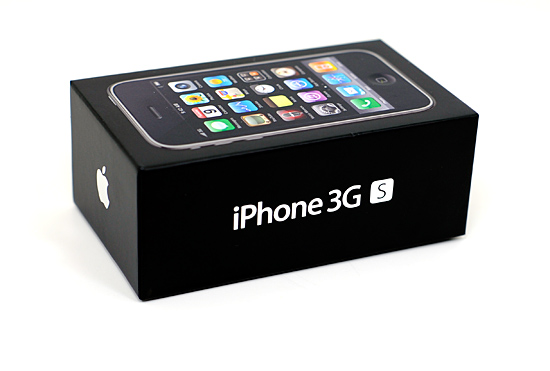
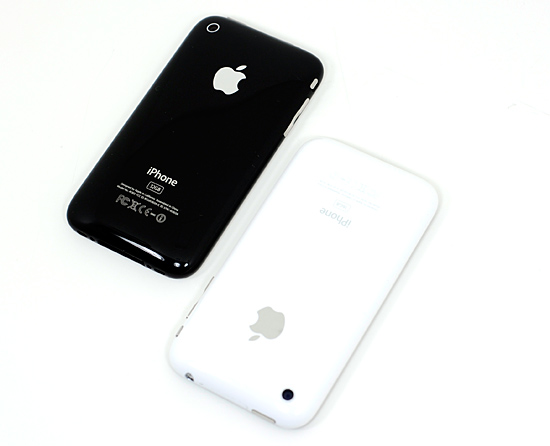
After the announcement of the iPhone 3GS of the hardware specs of the 3GS. Here we outlined the single chip CPU/GPU SoC as follows:
iPhone 3G (ARM11)
iPhone 3GS (ARM Cortex A8)
Manufacturing Process
90nm
65nm
Architecture
In-Order
In-Order
Issue Width
1-issue
2-issue
Pipeline Depth
8-stage
13-stage
Clock Speed
412MHz
600MHz
L1 Cache Size
16KB I-Cache + 16KB D-Cache
32KB I-Cache + 32KB D-Cache
L2 Cache Size
N/A
256KB
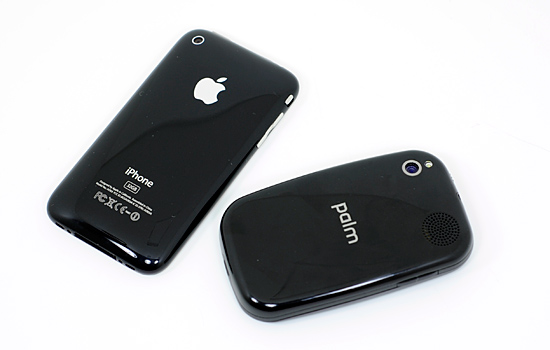
The iPhone 3GS uses an ARM Cortex A8 processor running at 600MHz, much like the Palm Pre. Many weren’t confident that the 3GS used the new ARM A8 core instead of a higher clocked ARM11

WiFi
Apple iPhone 3G
Apple iPhone 3GS
Palm Pre
T-Mobile G1
anandtech.com
16.3 s
7.8 s
8.2 s
17.2 s
arstechnica.com
17.7 s
6.3 s
7.8 s
17.8 s
hothardware.com
35.2 s
14.7 s
11.2 s
24.4 s
pcper.com
33.3 s
15.0 s
18.0 s
34.0 s
digg.com
34.3 s
15.0 s
22.1 s
40.0 s
techreport.com
24.1 s
9.6 s
9.0 s
20.5 s
tomshardware.com
21.4 s
16.4 s
13.8 s
26.0 s
slashdot.org
26.0 s
10.0 s
20.9 s
46.0 s
facebook.com
31.7 s
13.5 s
19.6 s
37.7 s
iPhone 3GS Advantage over Palm Pre
21%
iPhone 3GS Advantage over iPhone 3G
122%
The new 3GS renders web pages 128% faster, on average, than the old iPhone 3G. The 45% clock speed boost alone isn’t enough to generate such a large performance increase, this is a new microarchitecture. Also, note that the 3GS’ performance mimics that of the Palm Pre - another Cortex A8 based phone.

Not too surprising given the just-released nature of the Pre’s webOS, the 3GS is actually able to render webpages slightly faster than the Pre in some cases. The overall performance advantage ends up being 22.6% in favor of the 3GS over the Pre.
Application launch time has also improved :
Application Launch Time in Seconds
Web Browser
Dialer
Google Maps
Camera
Email
Apple iPhone 3GS
0.7 s
0.7 s
2.7 s
2.8 s
0.8 s
Apple iPhone 3G
0.8 s
1.2 s
3.3 s
3.9 s
1.2 s
Palm Pre
3.0 s
1.5 s
8.6 s
4.4 s
3.3 s
T-Mobile G1
5.4 s
2.0 s
4.4 s
4.9 s
2.0 s
iPhone 3GS vs. 3G Performance Advantage
14%
71.5%
22.2%
39.4%
50%
While the old iPhone 3G was no slouch, the 3GS is anywhere from 14 - 72% faster in basic application load times. It’s the magic of a brand new CPU architecture.

Source: ERM Blog
This is the gadget that I would recommed for IIUM wireless users to get connected through SSID iium-gadget. In addition, Blackberry also has almost similar performance with iPhone. You can feel the real performance of IIUM campus wide infrastructure. So far, Windows Mobile based phone still not recommended because it will drop the backward compatibility of default wifi 802.11g technology. Standard handphone running on wifi 802.11b and it will change the nearby channel to 11b instead of 11g. ITD will not tolerate to open the access for any gadget that able to down grade the nearby performance. If you own an iPhone or Blackberry, you are welcome to register for iium-gadget access.
For Symbion and Windows Mobile users, wait until new development. So far, even T-Mobile G1 performance, it take 5.4s to launch a web browser. Next time, before you purchase your handphone… carefully check the hadrware spec for clock speed, processor and cache size.
Click Here for Side by Side Comparison iPhone 3Gs VS Nokia N900